Resources
Stockholm, Sweden
Wasder is a social gaming platform built to help players connect and interact. But the connection system created hesitation instead of engagement. We knew users were struggling with friends and followers, but we did not understand why. I worked on the redesign end to end, from understanding the problem to final UI.
Year: 2024
Client: Wasder
Role: UX/UI-designer
Time Scope: 2-3 weeks
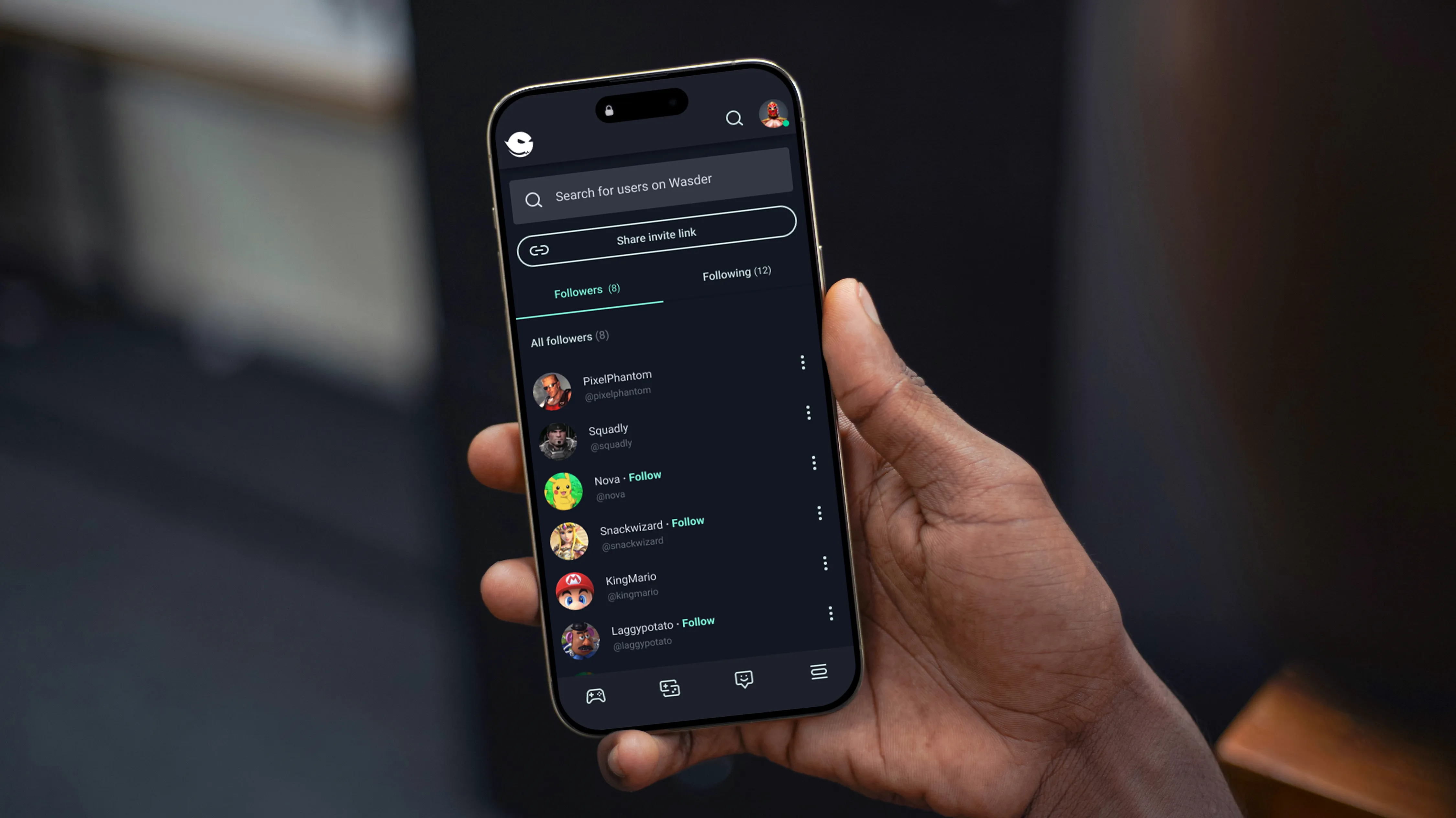
The Problem
We saw that users hesitated to connect with others. It was most noticeable around the two connection types following & friends. Users did not seem confident in which one to choose and often avoided the action. The behaviour showed uncertainty, but not the reason behind it.
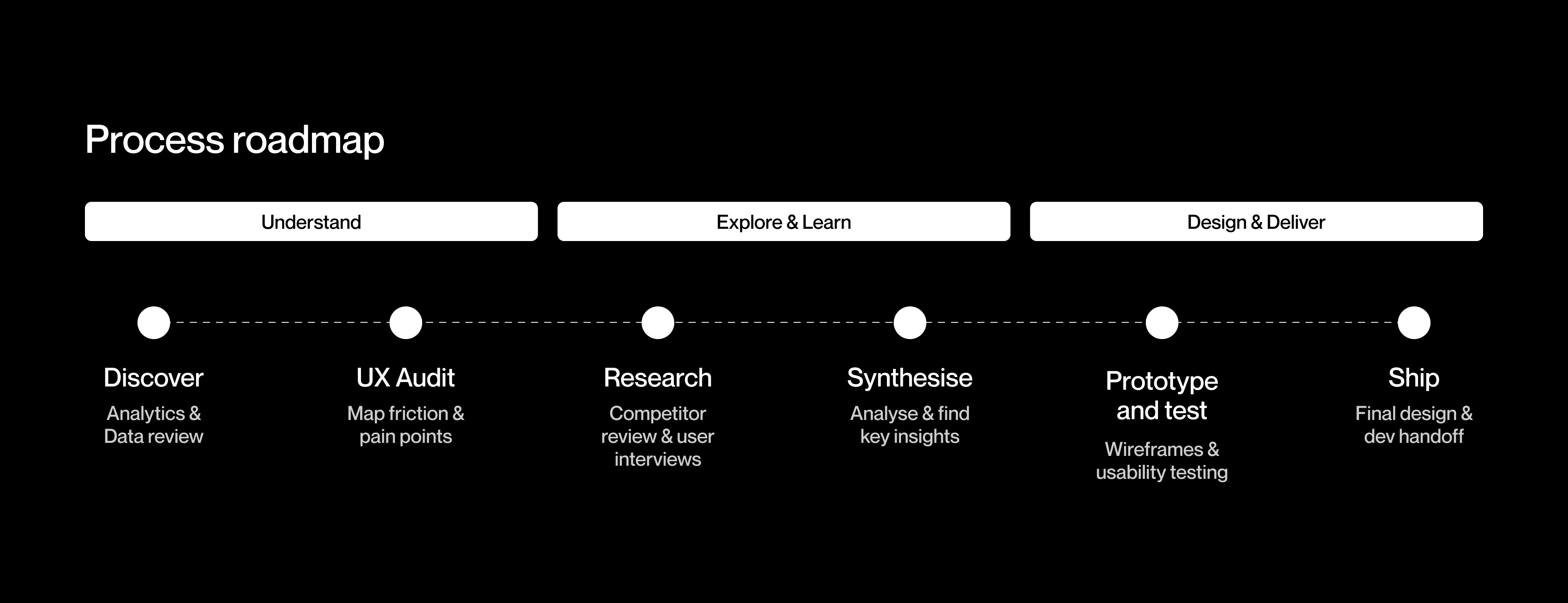
Research & Understanding
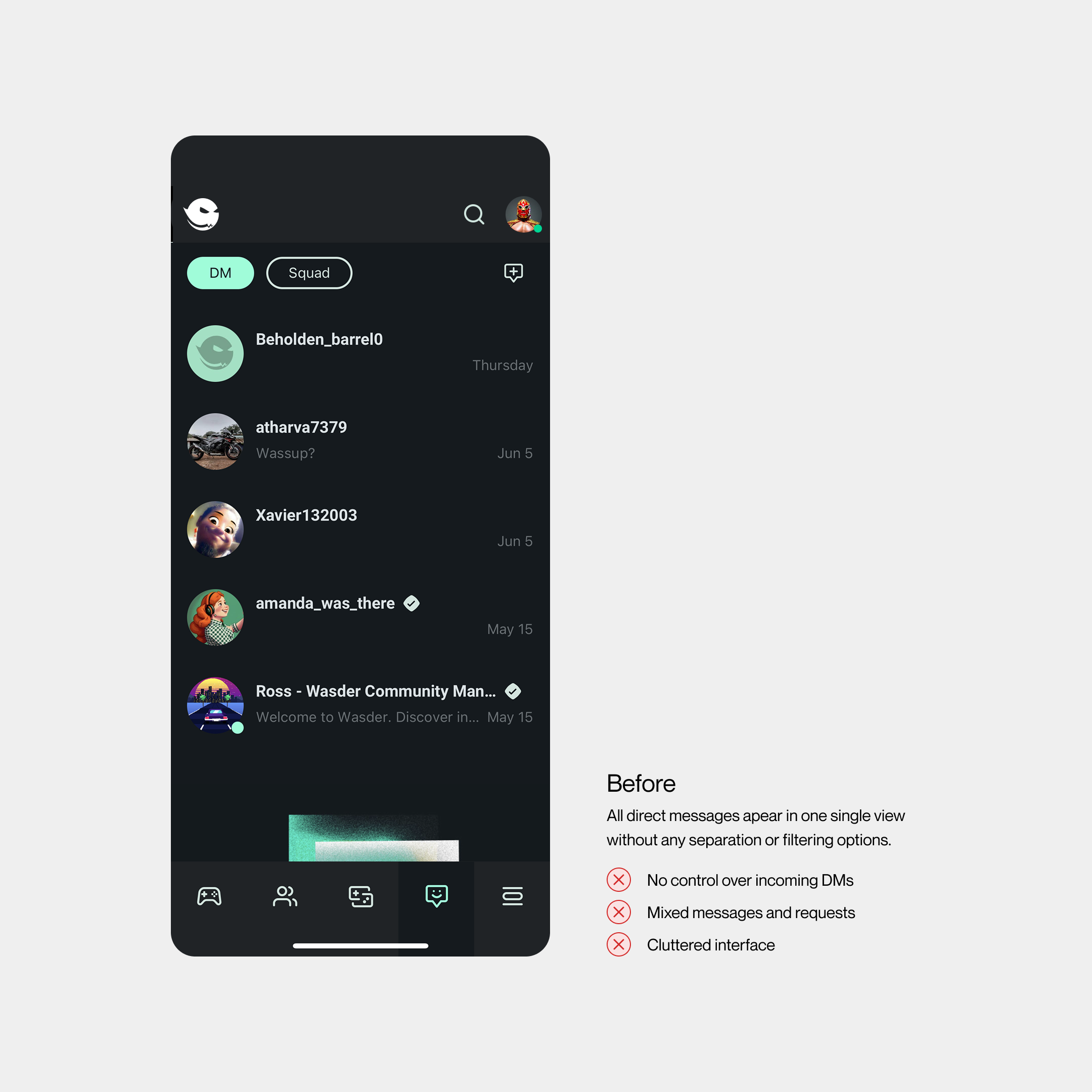
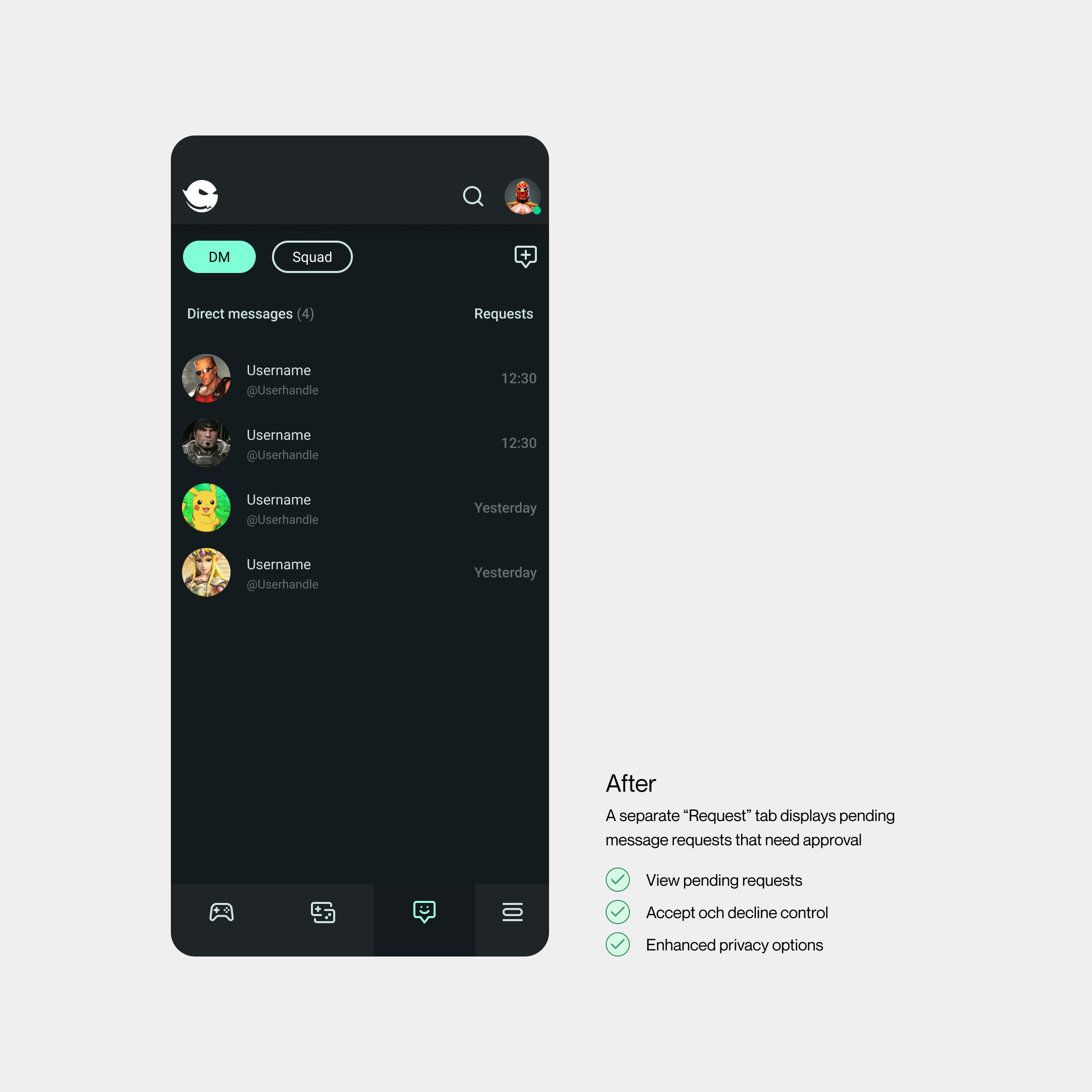
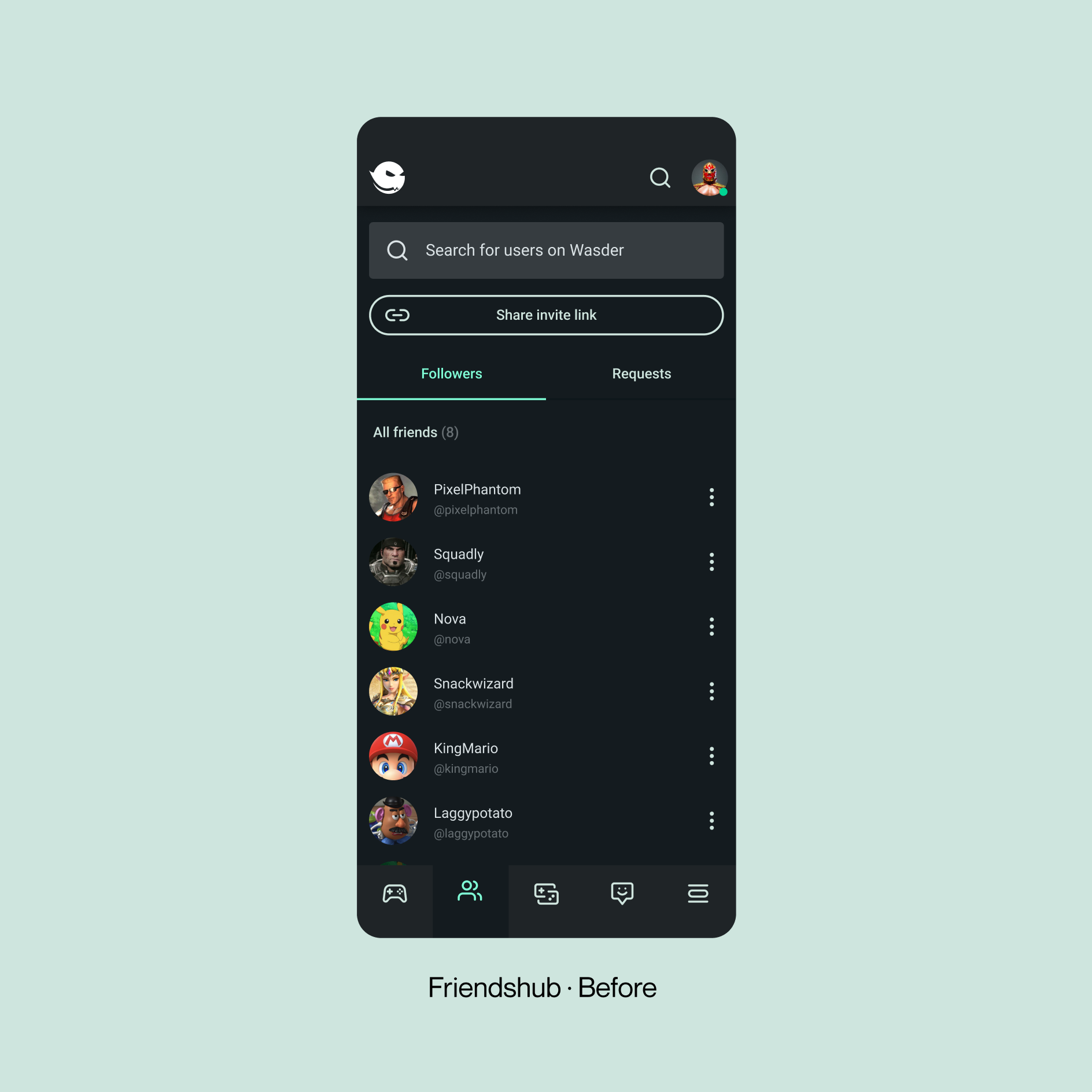
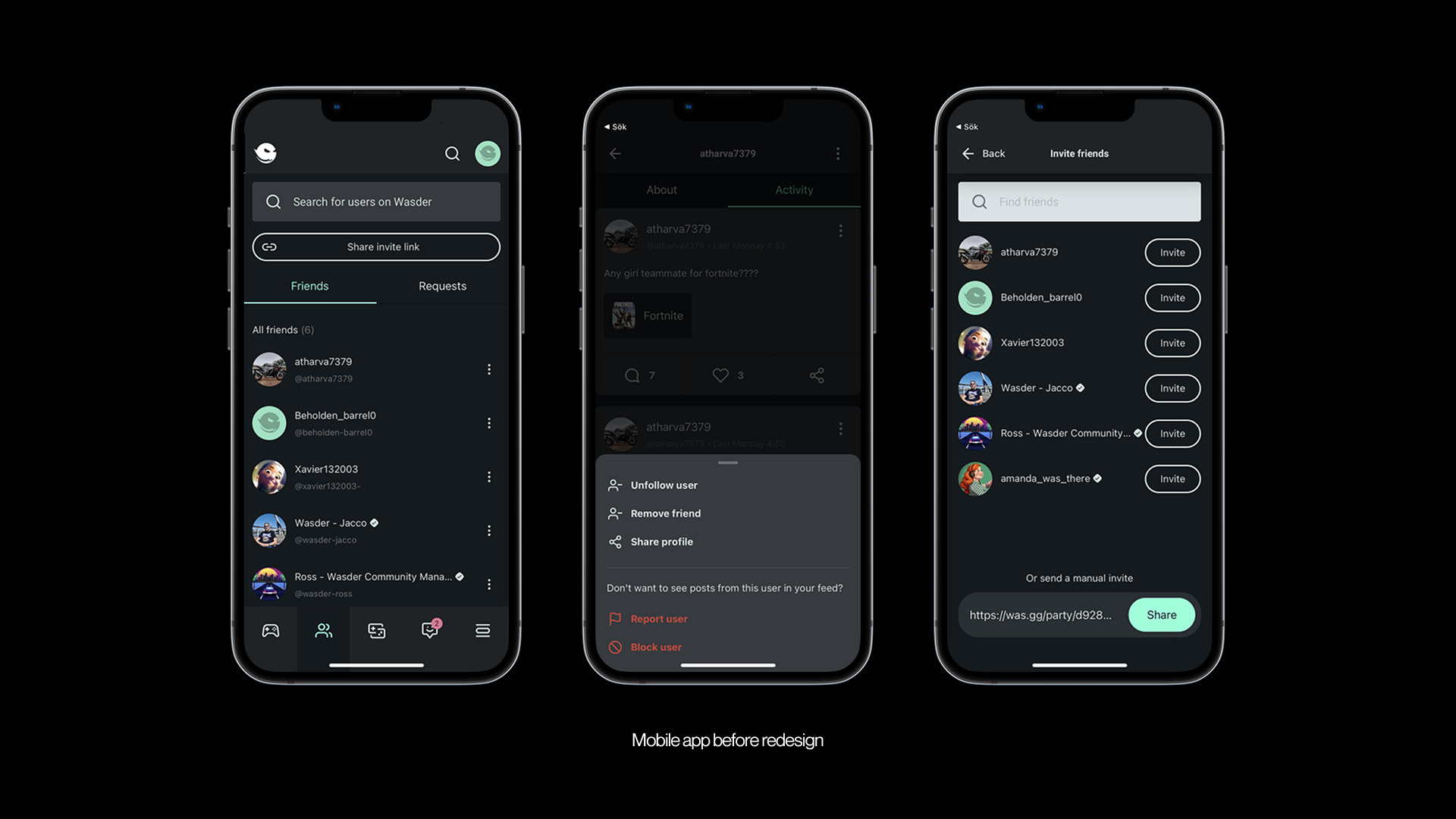
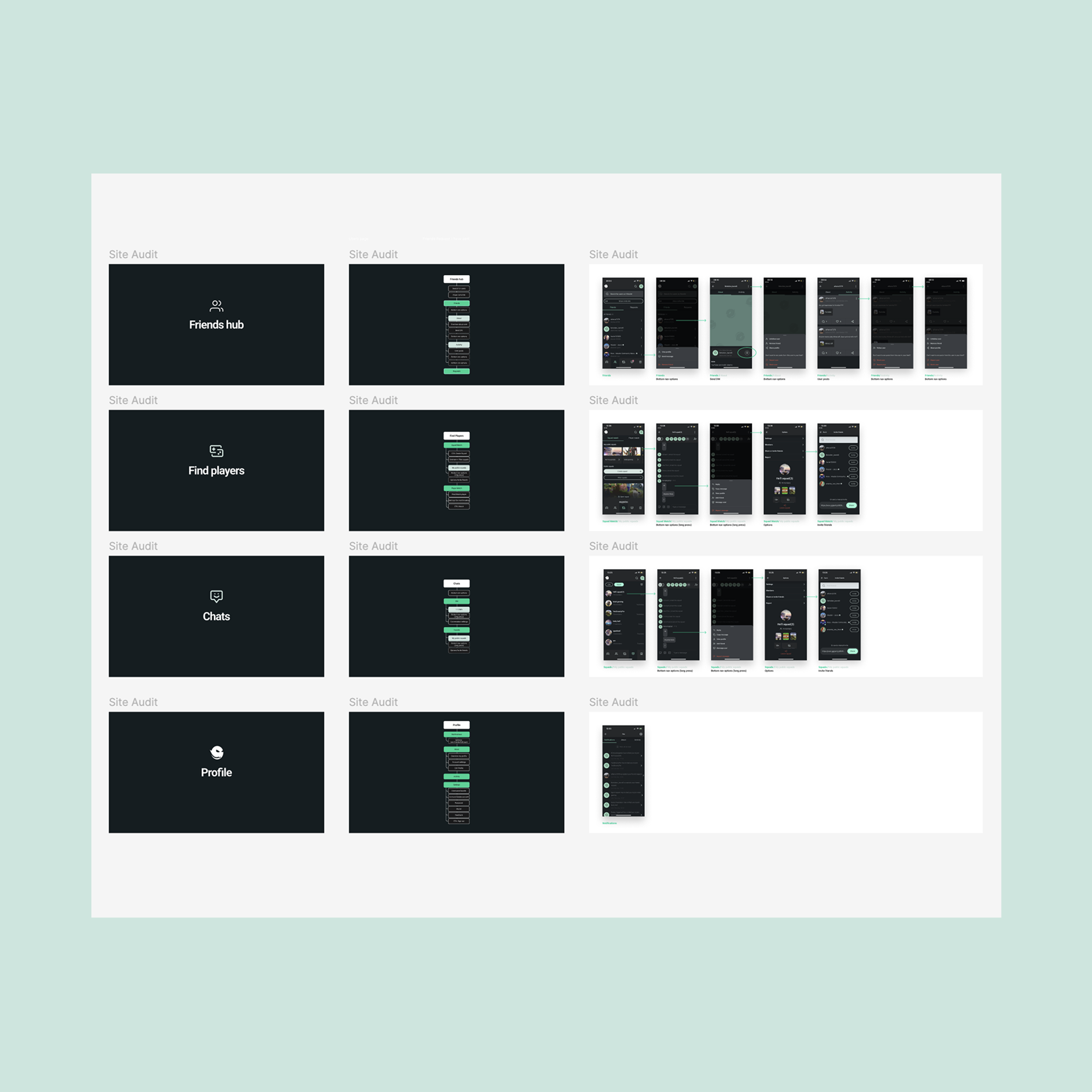
To understand why this was happening, I combined a system audit, quick user interviews, and competitor analysis. The audit showed that there was no clear difference between the two connection types. The labels suggested different levels, but the behaviour did not.
In interviews, this showed up as uncertainty. Users were unsure who could contact them and what level of privacy they had. The competitor analysis confirmed the pattern. It is common to have both followers and friends, but they are separated through clear rules and permissions. Wasder had both, but without that distinction. When different actions lead to the same outcome, users cannot predict the system, which created hesitation.
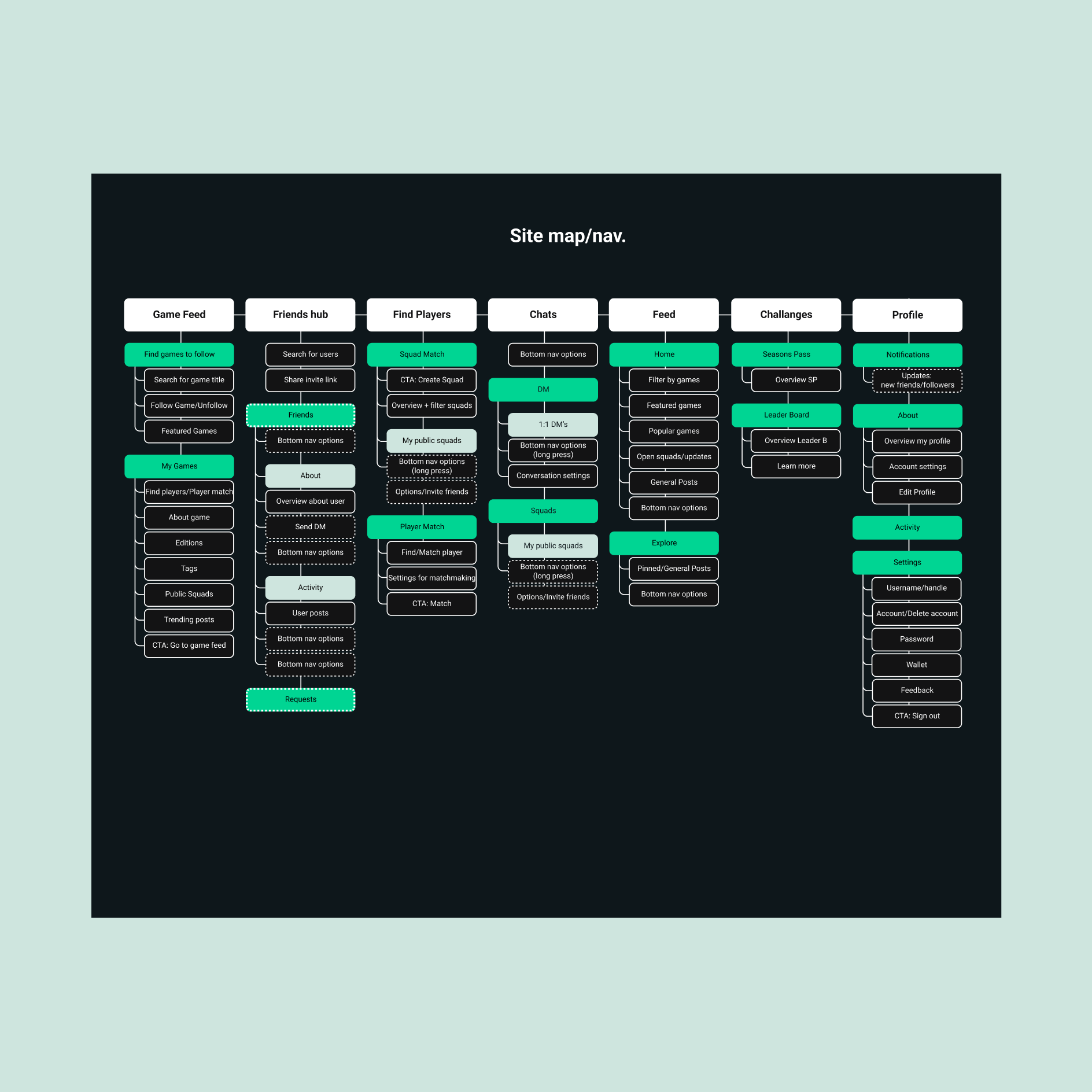
Descision
I first explored keeping both connection types and making them clearer. It did not solve the problem, since users still needed to understand the system before using it.
I also explored a simplified two state model. It reduced complexity, but introduced new edge cases around messaging and visibility.
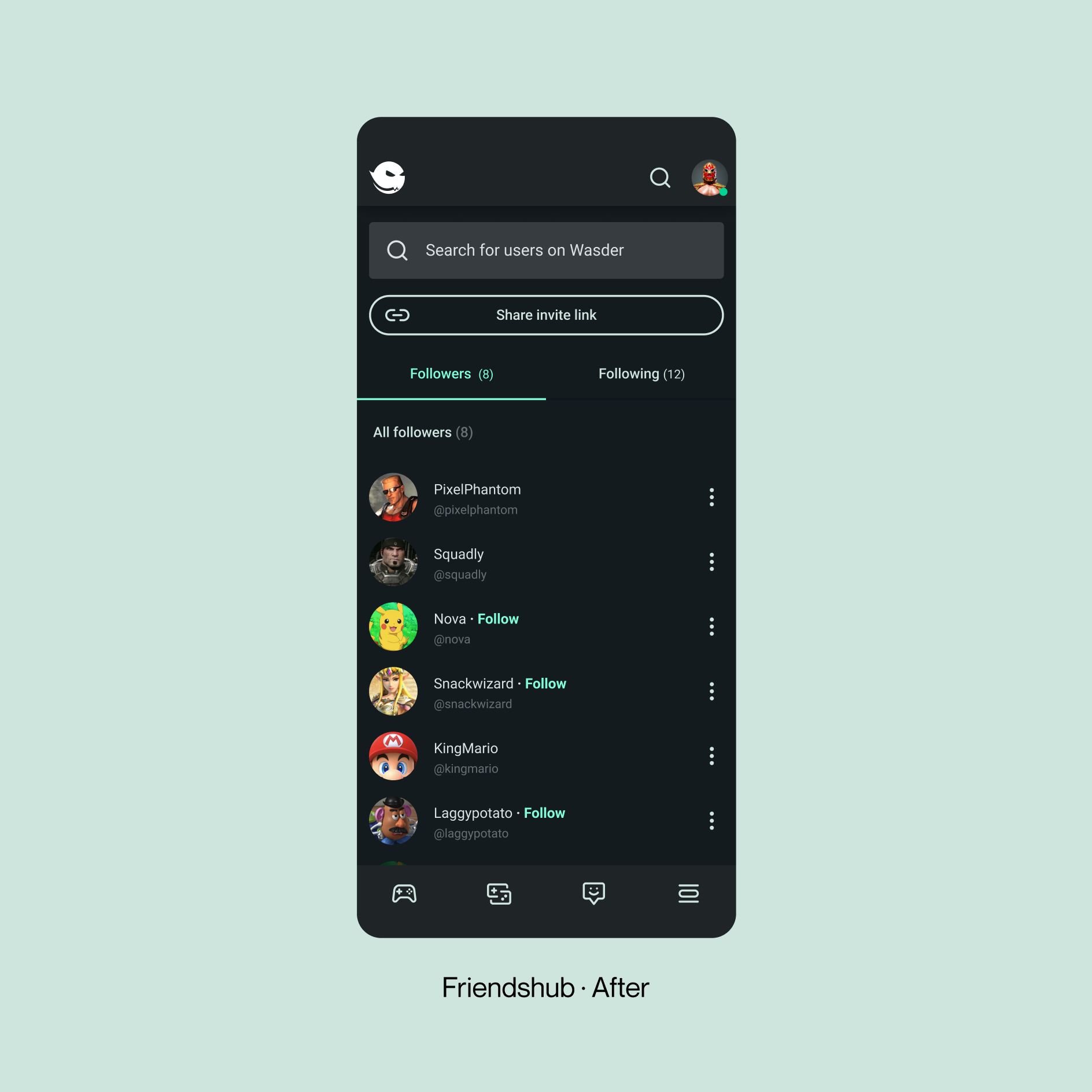
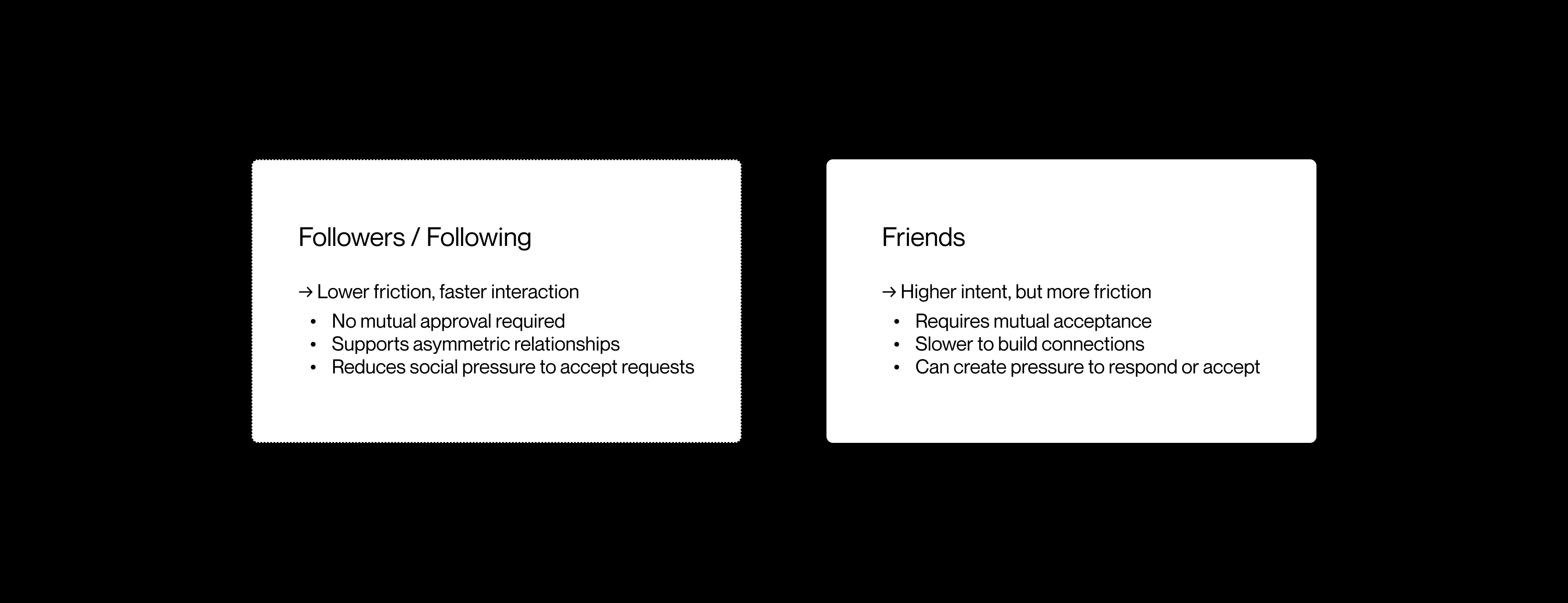
The direction that worked was a followers and following model. Not because it was simpler, but because it was already familiar and led to faster interactions. Users could rely on patterns they already understood instead of learning new rules.
Implementation
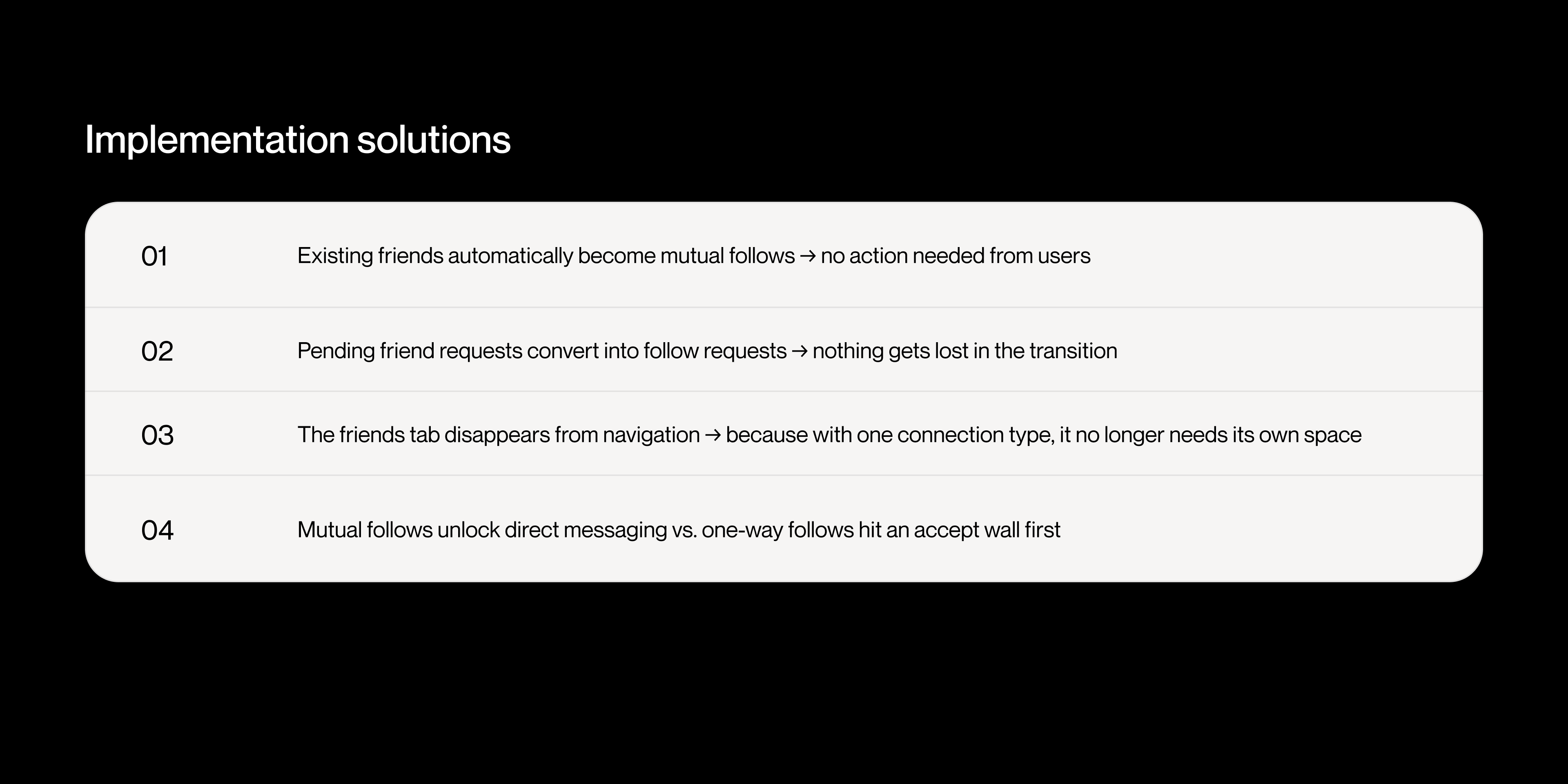
The challenge was not only defining a new model. It also had to work within an existing system. Together with developers and the product owner, we defined a transition that required no action from users and did not break existing connections.
Result
Users no longer hesitated before connecting.Instead of questioning what would happen, they acted.The interaction felt familiar and did not require explanation.A consistent reaction during sessions was that it felt like something they were already used to.The new structure also made the system easier to build on, which confirmed that simplifying the model was the right direction.